REAL WORLD YETI COOLER ICE RETENTION RESULTS Leave a comment
Nothing ruins a fishing trip faster than warm drinks and soggy sandwiches after twenty four hours outdoors. Frustration follows when equipment fails to maintain internal temperatures during critical moments. Outdoor enthusiasts require gear built for durability and temperature control. The YETI Cooler Shop provides solutions for these specific challenges. Understanding the performance of these units helps plan long trips with confidence. Most buyers ask one specific question before purchasing. How long does ice last in yeti cooler?
Laboratory tests often show perfect results under controlled environments. Actual use at a hot beach or a sunny campsite changes the outcome. This guide uses field data to show what to expect from your equipment. Success depends on preparation and environmental awareness.

KEY FACTORS INFLUENCING HOW LONG ICE LASTS
Several elements dictate the speed of melting inside a box. Sunlight represents a massive challenge for insulation. Placing a unit on hot pavement or in the back of a dark truck speeds up the process. Heat absorption through the outer shell impacts the interior environment.
Ambient temperature plays a significant role. Ice stays solid longer in sixty degree weather compared to ninety degree heat. High humidity also affects how the cooler functions. The initial temperature of the gear matters greatly. A warm cooler stored in a garage will melt the first bag of ice immediately because the insulation needs to cool down.
Frequent opening allows cold air to escape and warm air to enter. Each lid flip reduces the overall cooling duration. High performance seals work best when left closed as much as possible. According to research on thermodynamics from Science Direct, air exchange is a primary driver of temperature loss in insulated containers. Consistent management of the lid remains essential for success.
REAL WORLD TESTING DATA FOR VARIOUS MODELS
Testing results vary between different models and sizes. A large hard cooler holds ice longer than a small portable bag. Under standard summer conditions with temperatures between eighty and ninety degrees, performance remains consistent across the product line.
HARD COOLERS typically maintain ice for five to seven days. Some users report ice remaining for nearly ten days when following strict preparation steps. These units utilize thick walls and pressure injected insulation to block heat. The volume of ice compared to food also dictates the outcome.
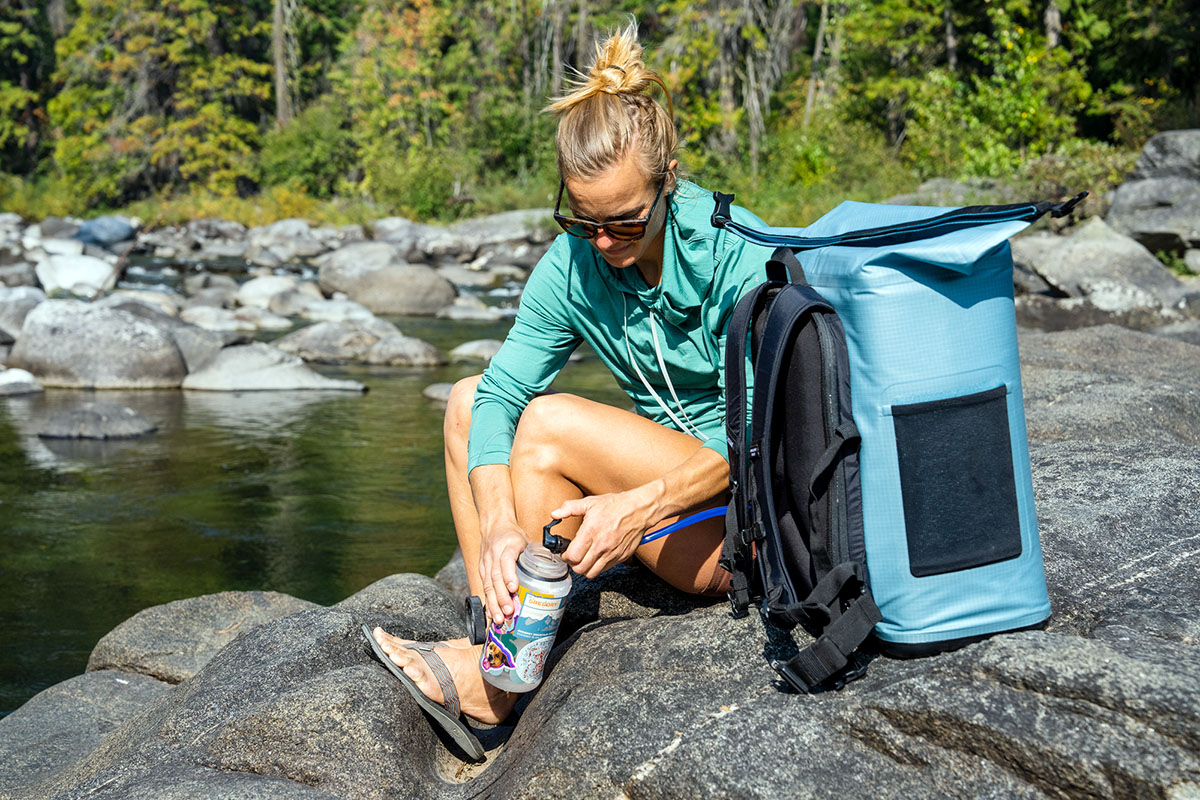
SOFT COOLERS and insulated bags offer different results. These portable units keep ice for two to three days. This duration works well for weekend camping or day trips to the beach. Portability comes with a trade off in long term retention.
The following table shows typical ice life based on model type:
| Cooler Category | Average Ice Duration | Best Use Case |
|---|---|---|
| Hard Sided Coolers | 5 to 7 Days | Long Camping Trips |
| Soft Sided Coolers | 2 to 3 Days | Day Trips or Picnics |
| Insulated Bags | 1 to 2 Days | Grocery Runs or Lunches |
These figures assume a two to one ice to content ratio. Proper loading ensures the best outdoor performance for your specific activity.

UNDERSTANDING THE SCIENCE OF INSULATION DETAILS
The secret to long lasting ice lies in material science. Quality gear uses rotomolded construction which creates a thick and seamless shell. This design prevents heat from leaking through seams found in cheaper models. Durability is a core feature of this design choice.
The foam insulation is pressure injected. This process ensures no air gaps exist within the walls. Thick insulation blocks radiant heat from the sun and conductive heat from the ground. Understanding these insulation details explains why some models outperform others by such a large margin. Reliable cooling ensures fresh food and cold beverages regardless of the weather.
The rubber gaskets provide a freezer quality seal. When the lid is latched, air movement stops. This seal prevents the exchange of internal cold air with external warm air. Maintaining this seal keeps the internal environment stable for days.
EXPERT COOLING DURATION TIPS FOR USERS
Users achieve better results by following a few expert cooling duration tips. Start by pre chilling the unit. Place a sacrificial bag of ice inside the night before your trip. This drops the internal temperature of the insulation. Efficiency increases when the cooler starts cold.
Use block ice for longevity. Small cubes provide more surface area and melt faster. Large blocks stay solid for many days. Combine both types for the best outcome. Fill the gaps between blocks with cubed ice to eliminate air pockets. Air is the enemy of ice.
Keep the water inside as the ice melts. Cold water helps insulate the remaining ice. Only drain the water if the contents need to stay dry. This liquid acts as a thermal mass that prevents warm air from filling the space. The water stays near thirty two degrees which helps the remaining ice survive.
- Pre chill the cooler for twelve hours.
- Maintain a 2:1 ice to food ratio.
- Use large ice blocks at the bottom.
- Keep the lid latched tight.
- Store the unit in the shade.
USAGE GUIDE FOR LOADING YOUR COOLER
Success starts before you leave the house. Most failures happen because of poor preparation. Always start with cold drinks and chilled food. Putting warm soda into a cooler forces the ice to work harder to lower the temperature of the cans. Preparation is the foundation of reliability.
Fill the unit to the top. If you have extra space, fill the void with towels or crumpled paper. This prevents warm air from circulating every time you open the lid. Minimal air space leads to better retention. Organizing the interior also helps because users find items faster.
Check the Shop for accessories like dividers and baskets. These tools help organize the interior so you spend less time searching with the lid open. Professional organization leads to better ice life. Place the items needed first at the top to limit exposure.

SAFETY GUIDELINES FOR STORING PERISHABLE FOOD
Choosing between a hard box and a soft bag depends on your needs. Both types maintain food safe temperatures if used correctly. Safety remains the priority for any outdoor adventure involving raw meat or dairy.
Guidelines from the CDC regarding food safety suggest keeping perishables below forty degrees Fahrenheit. Users must monitor the ice level to ensure food stays safe during the entire trip. High performance coolers make this task easier by holding temperature longer than standard alternatives. Monitoring internal temperatures with a thermometer provides peace of mind.
If the ice melts completely, food safety is at risk. Always replenish ice before it disappears. Keeping food in sealed containers prevents cross contamination from the melt water. This practice keeps your meals fresh and safe for consumption.
PREPARING EQUIPMENT FOR EXTENDED OUTDOOR PERFORMANCE
Managing the internal environment during a trip extends the ice life significantly. Avoid placing the unit on hot surfaces like sand or truck beds. Use a yoga mat or a piece of cardboard as a thermal break. This prevents heat from transferring through the bottom of the cooler.
Limit the number of people accessing the drinks. Designate one person to grab items or use a separate smaller cooler for frequent access drinks. This keeps the main food supply frozen for the duration of the journey. Planning ahead reduces the number of times the seal is broken.
If you travel in an RV or boat, keep the cooler in the coolest spot available. Airflow helps prevent the outer shell from absorbing too much heat. These small adjustments add days to your ice retention. Visit the Contact page for specific questions about which model fits your upcoming adventure.
Follow these professional steps to get the most out of your equipment. Real world results show that proper technique is just as important as the gear itself. Pack smart and stay cold.