
How Long Dry Ice Lasts YETI Guide Leave a comment
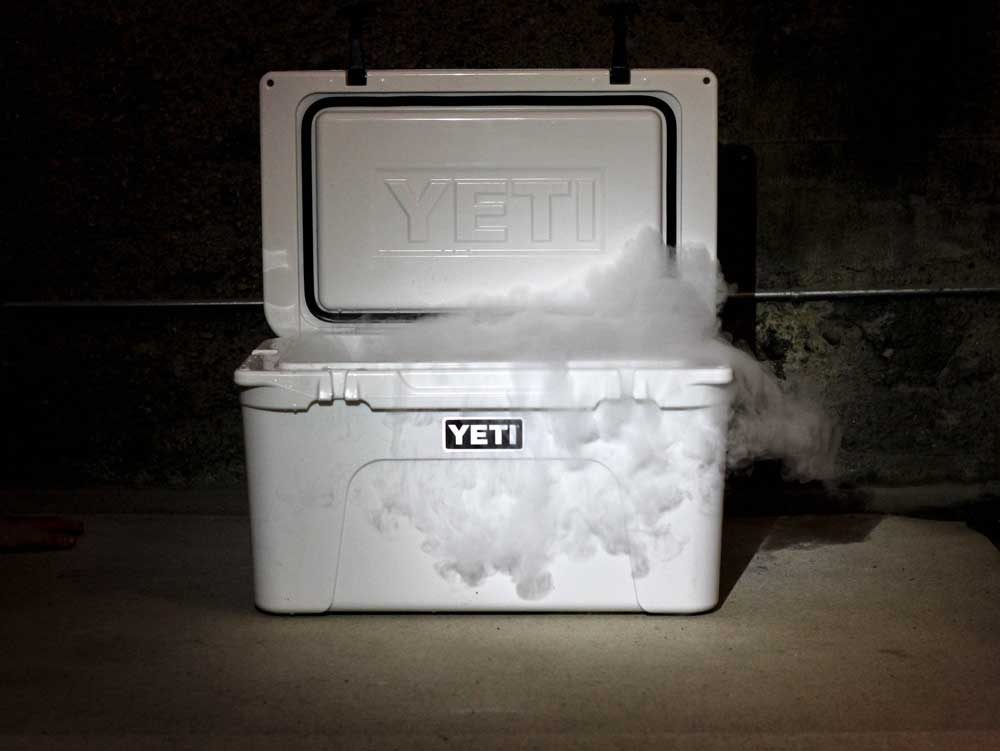
Frozen carbon dioxide transforms a standard hunting trip into a professional food preservation mission. Maintaining sub zero environments during a week long excursion requires more than standard ice cubes. Professional outdoorsmen turn to solid carbon dioxide to achieve these extreme temperatures. One primary question dominates the preparation phase: How long does dry ice last in a yeti? Most high performance models preserve five to ten pounds of this substance for twenty four to forty eight hours. Larger units containing thirty pounds provide cooling for nearly four days. Success depends on understanding the unique properties of this cooling agent and the insulation technology protecting your supplies. This guide provides the technical knowledge needed for extreme temperature management.
Choosing high performance gear ensures the safety of food supplies during extended stays in the wilderness. The YETI Cooler Shop provides the necessary equipment for these demanding environments.
The Physics of Carbon Dioxide Sublimation
Dry ice represents the solid form of carbon dioxide frozen at negative 109.3 degrees Fahrenheit. Unlike water ice, this material never turns into liquid. The transition from a solid directly into a gas defines the process of sublimation. High quality insulation functions as a thermal barrier slowing this gas conversion. Professional equipment found at the Shop utilizes dense polyurethane foam to minimize heat transfer. This thick insulation keeps the internal environment stable while the external air remains warm.
Science ABC explains the rate of sublimation increases when the temperature gap between the ice and its surroundings grows. Minimizing this gap remains the secret to longevity. Pre chilling the cooler walls before adding the primary ice supply reduces early loss. Users place sacrificial ice or frozen jugs inside the bin overnight to ensure the insulation is cold before the trip starts.
Cooling Duration Guide for YETI Models
Cooler volume and ice quantity dictate the lifespan of your cooling agent. A small container filled with a single block loses the freeze faster than a large container packed tightly. The following cooling duration guide outlines expected performance based on standard usage patterns.
These estimates assume the lid remains closed for the majority of the day. Each time a person opens the latch, heavy cold gas escapes and warm air enters. This exchange forces the remaining ice to work harder to stabilize the internal climate. Serious hunters often use one dedicated cooler for long term frozen storage and a separate unit for drinks accessed frequently. Choosing the right HARD COOLERS for your specific group size prevents unnecessary empty space which accelerates gas loss.

Safety Advice for Handling Frozen Carbon Dioxide
Extreme cold requires specific safety protocols to prevent injury. Skin contact with solid carbon dioxide causes immediate frostbite or cellular damage. Always wear insulated leather gloves or use heavy tongs when moving blocks. Keeping the substance wrapped in paper provides an extra layer of protection for hands and the cooler lining.
Ventilation represents the most important safety factor. As the solid turns into gas, pressure builds within the container. While these coolers feature high quality gaskets, the expanding gas must find an exit. The CDC warns that concentrated carbon dioxide inhalation leads to dizziness or loss of consciousness. Always keep the cooler in the bed of a truck or a well ventilated area. If the cooler resides inside a vehicle, keep a window cracked to ensure a steady supply of fresh oxygen.
Proper ventilation prevents the cooler from experiencing excessive pressure buildup. Safety remains the foundation of every successful outdoor trip.
Strategic Storage Method for Maximum Efficiency
Achieving the longest possible freeze requires a strategic approach to packing. Follow these dry ice usage tips to optimize the setup:
- Wrap every block in three layers of newspaper or brown paper. This insulation slows the sublimation rate and prevents direct contact with the cooler walls.
- Place the wrapped blocks at the very bottom of the bin. Cold air naturally sinks, which keeps the base of the cooler the coldest.
- Layer items based on their freezing needs. Place raw meat or pre frozen meals directly on top of the ice.
- Add a barrier like a sheet of cardboard on top of the dry ice if you plan to add standard water ice for drinks in the upper section.
- Fill every inch of empty space with crumpled paper or old towels. Dead air space allows gas to circulate freely, which speeds up the melting process.
The USDA suggests using a thermometer to verify the internal temperature remains below 40 degrees Fahrenheit. This practice guarantees food safety even as the ice supply diminishes over several days.

Performance Insights for Remote Expeditions
Remote workers and wilderness adventurers rely on consistent gear performance. To extend the life of your cooling agent, keep the cooler out of direct sunlight. Placing the unit in the shade or under a reflective tarp reduces the thermal load on the outer shell. Heat absorbed by the plastic shell eventually reaches the insulation, forcing faster ice loss.
Another frequent error involves draining the cold water when using a mix of ice types. While dry ice vanishes into gas, any water from melting standard ice cubes helps maintain the thermal mass. Draining this liquid allows warm air to occupy the space, which reduces overall efficiency. If you have questions regarding a specific model, you should Contact our team for technical support.
The combination of dense insulation and smart packing techniques results in a superior experience for any adventure.
Common Mistakes Reducing Your Ice Lifespan
Many users find the ice disappears sooner than expected due to avoidable errors. Using a container which is too large for the amount of ice is the primary cause of failure. If you only have ten pounds of ice, do not use a hundred quart cooler. The excessive air volume consumes the ice rapidly.
Opening the lid too often is the second most common issue. Plan your meals so you only access the cooler a few times a day. Each opening resets the internal cooling cycle and introduces moisture. Humidity in the air reacts with the cold surface of the ice, causing the substance to sublimate faster.
Finally, failing to pre freeze your food items puts a massive strain on the ice. The ice spends energy pulling the heat out of room temperature steaks or sodas. Placing only deeply frozen items into the cooler ensures the ice only has to maintain the temperature rather than lower the temperature.
Final Preparation for Your Adventure
Maximizing the duration of your cooling agent involves preparation, protection, and proper placement. Start with a cold cooler and wrapped ice blocks. Ensure the bin stays packed tight with no air gaps. Follow all safety guidelines regarding ventilation and skin protection. By mastering these techniques, you ensure your food stays frozen throughout the entire trip.
Whether you are preparing for a fishing trip or an outdoor event, the right knowledge transforms your equipment into a portable freezer. High performance cooling is a matter of physics and discipline. Proper execution leads to success in the field.
Are you ready to pack your gear for the next big outing?