How Long Does Ice Last in a YETI? Leave a comment

You fill your cooler with high hopes only to find a lukewarm puddle of water by the second afternoon of your camping trip. It is a frustrating experience that many outdoor fans know too well. When you invest in a premium cooler, you expect elite performance. So, how long does ice last in a yeti? Under the right conditions, a YETI hard cooler can hold ice for five to seven days, and sometimes even longer. This level of performance does not happen by accident. It is the result of pressure-injected polyurethane foam and a thick FatWall design. Whether you are a fisherman preserving a catch or a family planning a weekend at the beach, understanding the variables of ice retention ensures your food stays safe and your drinks stay crisp.
Understanding the Science of Ice Retention
Ice retention is about managing thermal energy. YETI Cooler Shop builds their HARD COOLERS with up to three inches of insulation. This barrier slows the heat transfer from the outside air to the cold interior. Most people do not realize that the starting temperature of the cooler itself matters as much as the ice you put inside. If you store your cooler in a hot garage, the insulation traps that heat. When you finally add ice, the ice wastes energy cooling down the walls of the cooler rather than staying frozen.
Research on thermal conductivity shows that thicker insulation significantly reduces the rate of melting. This is why these coolers outperform the thin plastic boxes found at local grocery stores. According to Scientific American, insulation works by slowing down the movement of heat molecules, which is the foundation of high-end cooler design. To get the most out of your gear, you must treat the cooler as a thermal system. By minimizing the work the ice has to do, you extend its life.
Why Your Pre-Trip Prep Matters
The secret to multi-day cooling starts twenty-four hours before you leave. Professional guides and seasoned campers use a sacrificial bag of ice to pre-cool the unit. This step drops the internal temperature of the insulation. When you replace that melted ice with fresh, frozen blocks right before your trip, the ice stays solid much longer.
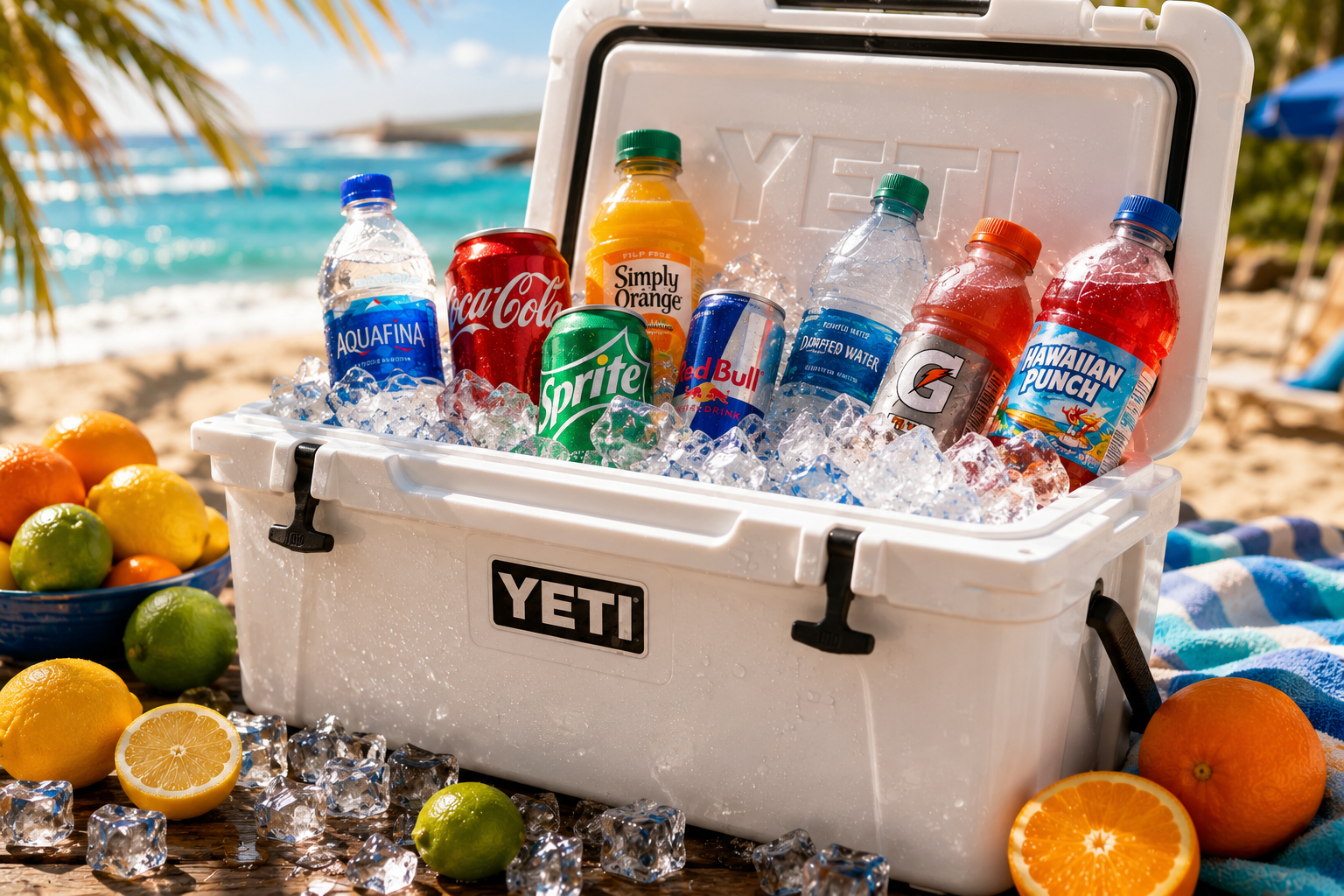
Another vital factor is the temperature of the items you pack. Placing warm soda cans or room-temperature water bottles into a cooler creates an immediate thermal load. Always chill your food and drinks in the refrigerator overnight. This ensures the ice only has to maintain the temperature instead of lowering it. This storage optimization method is a hallmark of experienced travelers who rely on their gear for long-haul trips.

Professional Ice Retention Tricks for Every Trip
The type of ice you choose dictates your success. While cubed ice is great for chilling drinks quickly because of its surface area, it melts fast. Block ice is the superior choice for longevity. A large block has less surface area exposed to the air, which means it melts at a much slower rate. For the ultimate setup, use a combination of both. Place blocks at the bottom for longevity and fill the gaps with cubes to keep everything tight and cold.
| Ice Type | Best Use Case | Retention Rating |
| Cubed Ice | Quick chilling, day trips | Good |
| Block Ice | Long-term storage, base layer | Excellent |
| Dry Ice | Freezing items, expert use | Superior |
If you need to keep items frozen for an extended period, YETI hard coolers are compatible with dry ice. Dry ice is much colder than regular ice and turns into gas rather than liquid. This is an outdoor cooling guide favorite for hunters who need to transport meat over long distances. Always ensure you have proper ventilation when using dry ice to allow the carbon dioxide gas to escape safely.
How to Pack Like a Pro
Air is the enemy of ice. Every pockets of empty space in your cooler allows warm air to circulate, which speeds up melting. Fill your cooler to the brim. If you do not have enough food or drinks to fill the space, use extra ice or even rolled-up towels to plug the gaps. This usage advice seems simple, but it makes a massive difference in how long your supplies stay cold.
The ratio of ice to contents is also a major factor. The gold standard for maximum cooling is a two-to-one ice-to-contents ratio. This means two-thirds of your cooler should be ice. While this leaves less room for snacks, it guarantees that the remaining third stays ice-cold for the duration of your adventure. If you find yourself needing more space regularly, it might be time to visit the Shop to upgrade to a larger model.
Managing Your Cooler During the Adventure
Once you are out in the field, your behavior determines the fate of your ice. Keep the lid closed as much as possible. Every time you open the cooler, the cold air escapes and is replaced by warm, humid air. This forces the ice to work harder to stabilize the temperature again. Strategic planners organize their coolers so that frequently used items, like drinks, are on one side or in a separate unit like SOFT COOLERS for quick access.
Sunlight is another silent killer of ice. Even the best insulation struggles against direct solar radiation hitting a dark-colored lid. Always keep your cooler in the shade. The National Park Service recommends keeping food storage containers in the shade and away from wildlife to maintain both safety and temperature. If you are on a boat or at a beach with no natural shade, cover the cooler with a light-colored wet towel. The evaporation process helps keep the surface temperature of the cooler down, providing an extra layer of protection for your ice.
The Truth About Draining Water
There is a common debate among campers about whether to drain the meltwater. While it might seem intuitive to get rid of the water, the cold water actually helps insulate the remaining ice. It fills the air gaps that would otherwise be filled with warm air. Only drain the water when it becomes a nuisance or when you need to add fresh ice. Keeping the cold water inside is one of the easiest cooler efficiency tips to follow.
However, if you are storing food that is not in airtight containers, you want to be careful. Use CASES & STORAGE solutions to keep your sandwiches and sensitive items out of the slush. This keeps your food dry while allowing the meltwater to maintain the internal temperature of the cooler. Keeping your food at a safe temperature is vital, as the CDC notes that bacteria grow rapidly between 40°F and 140°F.
Summary of Maximum Ice Retention Steps
To ensure you get the most out of your YETI, follow this checklist of ice retention tricks:
- Pre-chill your cooler with a sacrificial bag of ice the night before.
- Only pack items that are already cold or frozen.
- Use a 2:1 ice-to-contents ratio.
- Prioritize block ice for the bottom layer.
- Fill all empty air gaps with extra ice or towels.
- Keep the cooler in the shade and keep the lid latched.
- Avoid draining the cold meltwater until necessary.
By following these steps, you stop wondering how long does ice last in a yeti? and start enjoying the confidence that comes with professional-grade gear. Your adventures deserve cold drinks and fresh food from start to finish. Ready to gear up for your next outing? Head over to the shop to see the latest in high-performance cooling technology.