How Long Does Ice Last in a YETI Cooler? Leave a comment
Ice transforms into a precious resource when your adventure takes you miles away from the nearest convenience store. Understanding how long does ice last in a yeti cooler determines whether your weekend ends with fresh steaks or soggy sandwiches. A standard YETI hard cooler keeps ice for five to seven days under normal usage. High-end models like the Tundra series even push past the ten-day mark when users follow specific ice retention factors. This guide provides the expertise needed to stretch every frozen cube to the maximum.

The Science of YETI Insulation Technology
The secret to why a YETI outperforms cheap plastic boxes lies in the construction process. These coolers use pressure-injected polyurethane foam within the walls and the lid. This PermaFrost insulation creates a barrier heat struggles to penetrate. The FatWall design adds up to two inches of this insulation to ensure internal temperatures remain stable.
When you browse the HARD COOLERS section, you see the physical evidence of this technology. The heavy-duty rubber T-Rex Lid Latches create a seal which locks the cold inside. This InterLock Lid System fits into a molded groove to prevent air exchange. High-quality gaskets further block outside air from entering the cooling chamber.
Critical Ice Retention Factors for Outdoor Success
External environment plays a massive role in cooling duration. A cooler sitting in the sun loses ice twice as fast as a cooler sitting in the shade. Professional guides always look for a spot under a tree or a tarp to shield the cooler body. Surface temperature also matters. Placing the unit on hot sand or a burning truck bed pulls cold out through the bottom.
Lid management is another vital usage guide point. Every time a person opens the lid, cold air escapes and warm air rushes in. This exchange forces the remaining ice to work harder to lower the temperature again. Strategic planning helps. Knowing exactly where the drinks are located allows for quick retrieval. Speed preserves the internal environment.

Choosing the Best Ice Types for Longevity
Not all ice offers the same cooling power. Cubed ice from a grocery store has a large surface area. This means the ice cools drinks quickly but melts fast. Block ice provides the best results for long trips. A solid block of ice takes much longer to melt because the core remains insulated by the outer layers.
Dry ice offers an even more powerful solution for the HARD COOLERS line. Since YETI products are dry ice compatible, users freeze items at temperatures far below the freezing point of water. This method requires proper ventilation and handling, but the results for outdoor performance are unmatched. For those using SOFT COOLERS, stick to standard ice or reusable ice packs to protect the interior liner.
The Essential Pre-Chilling Usage Guide
A common mistake involves putting ice into a warm cooler. The insulation is so effective that the foam actually holds heat. If the cooler sits in a garage or a hot car before use, the first batch of ice will melt while cooling the walls. This process is known as sacrificial ice.
Fill the cooler with a bag of cheap ice the night before the trip. This brings the internal temperature down and primes the PermaFrost insulation. Discard this ice before packing the actual supplies. Using pre-chilled food and drinks also extends the life of the ice. A warm soda forces the ice to melt to reach equilibrium. Check the CDC food safety guidelines to understand the importance of keeping perishables below 40 degrees Fahrenheit.
Mastering the 2-to-1 Ice Ratio
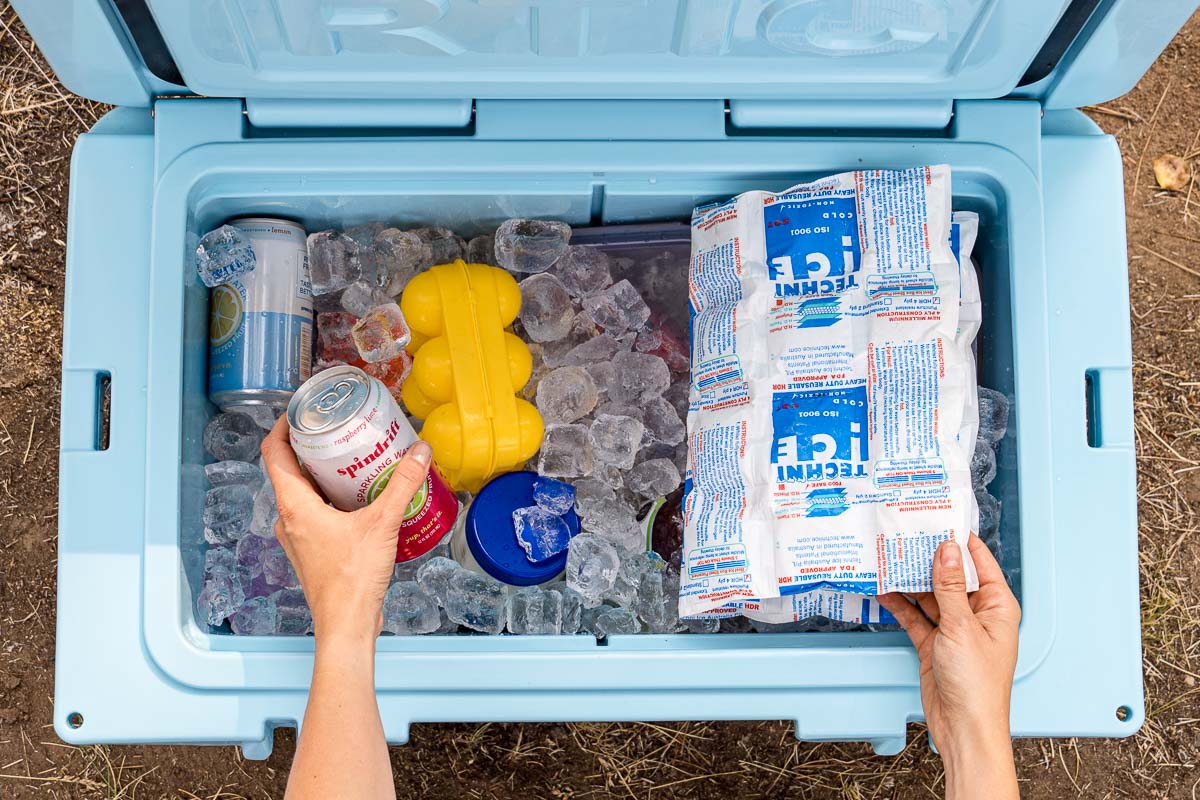
Volume matters. Air is the enemy of ice. A cooler half-full of air will see rapid ice loss. The industry standard for maximum performance is a two-to-one ice-to-contents ratio. This means two-thirds of the cooler volume should be ice.
- Start with a layer of block ice at the bottom.
- Place heavy meats and frozen items directly on the ice.
- Add a layer of cubed ice to fill the gaps.
- Place delicate items like vegetables on top.
- Fill every remaining air pocket with more ice or towels.
Following this structure ensures the SHOP products perform at their peak. For activities like tailgating or day trips where weight is a concern, users often prioritize more food and less ice. In these cases, expect the duration to drop from days to hours.
Maintaining Outdoor Performance in Extreme Heat
When the thermometer hits 90 degrees, even the best insulation faces a challenge. Expert campers often use a wet towel placed over the lid of the cooler. As the water evaporates from the towel, the process creates a cooling effect on the surface of the YETI. This simple trick adds hours to the ice life.
Drain the water or keep it? This is a frequent debate. For food safety, keeping the water is beneficial as long as the food is in watertight containers. Cold water maintains the temperature better than empty air. However, if the water becomes lukewarm, drain the liquid immediately and add fresh ice. Review the National Park Service camping safety tips for more advice on managing supplies in the wilderness.

Comparing Hard and Soft Cooler Durability
Hard coolers offer the longest ice retention due to the thick walls. The Tundra and Roadie series are built for extended stays in the woods or on a boat. Tests by independent organizations like Popular Mechanics show these models consistently leading the pack in thermal resistance.
Soft coolers provide portability and ease for shorter outings. While the insulation is thinner, the ColdCell foam still beats standard soft bags. Use these for beach trips or day hikes. Expect ice to last between 24 and 48 hours in these models. The convenience of a shoulder strap makes the trade-off worthwhile for mobile adventurers.
Final Steps for Cooler Care and Storage
The journey ends, but the work continues. Proper maintenance ensures the cooler is ready for the next adventure. Clean the interior with a mild soap and water solution. This prevents mold and odors from developing in the seal. Dry the unit completely before closing the lid for storage.
Store the YETI in a cool, dry place. Leaving a cooler in a hot attic or shed during the off-season degrades the gaskets over time. Keeping the lid slightly cracked allows air to circulate and prevents the interior from becoming stale. A well-maintained YETI remains a reliable partner for decades.
Common Questions About YETI Performance
- Does ice last longer in a white YETI? White reflects sunlight better than darker colors like navy or charcoal. While the difference is small, every degree counts during a heatwave.
- How much ice do I need for a three-day trip? For a Tundra 45, plan for at least 30 pounds of ice if the cooler is full of food and drinks.
- Is the ice melted if the water is cold? Phase change occurs at 32 degrees. As long as some ice remains, the water is at the ideal temperature for storage.
Following these cooling duration tips guarantees a better experience on the trail or at the beach. Your YETI is a tool designed for the toughest conditions. Treat the cooler with the respect an expert gives their gear, and the ice will stay frozen long after the competition fails.