YETI Roadie Dimensions Guide to Choose Your Cooler Leave a comment
Picking the right cooler feels like a big decision when you need your drinks to stay ice cold for days on end. The YETI Roadie series has evolved from a single small box into a family of versatile mobile cooling solutions. Understanding the specific yeti roadie dimensions ensures your investment fits in your trunk and holds enough supplies for your group. Whether you are hitting the beach or heading to a remote job site, the right size makes all the difference in your daily workflow. This guide breaks down the measurements and capacity of the current Roadie lineup so you can choose with confidence.

Understanding the YETI Roadie 24 Measurements
The Roadie 24 evolved from the classic Roadie 20, losing the metal handle and gaining internal height. Its exterior measurements are roughly 16.6 inches long by 14 inches wide by 17.4 inches high. This specific height is a strong word for many users because it allows most standard wine bottles and two liter soda bottles to stand upright. When you look at the internal yeti roadie dimensions, you have about 12.5 inches by 10.8 inches of floor space.
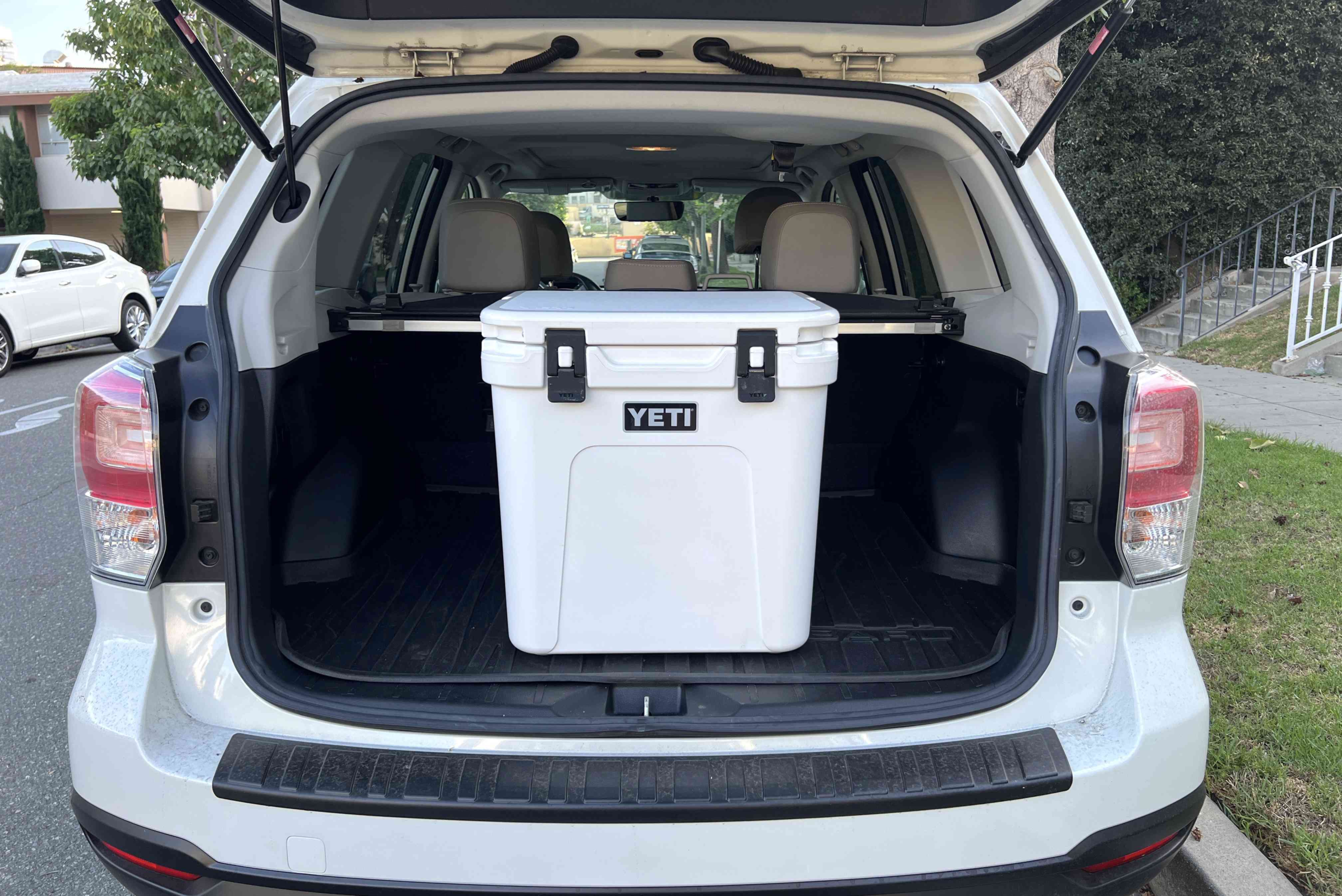
This model is a favorite for solo travelers or couples on a day trip. It weighs about 12.8 pounds when empty, making it easy to carry by the HeftyHauler strap. Because it lacks wheels, the 24 is best for situations where you only need to move the cooler short distances. It fits perfectly behind the front seat of most cars, which is a key part of your storage planning for road trips. You can find this compact powerhouse in our HARD COOLERS section today.
Comparing the Wheeled Roadie 48 and 60
When your adventures require more food and drink, the wheeled versions of the Roadie become essential. The Roadie 48 has exterior dimensions of 19.8 inches wide by 20.1 inches deep by 20.5 inches high. Moving up to the Roadie 60 increases the width to 23.7 inches while keeping the depth and height almost identical. These cooler measurements are important because the 60 requires more floor space in your truck bed or SUV cargo area.
The PermaFrost Insulation takes up a few inches of that space to ensure ice retention. In the 48, you get an internal capacity of about 48 quarts, while the 60 offers a massive 60 quarts of space. Both models feature the NeverFlat Wheels and the Periscope Handle. This handle design is an emphasized word in the lineup because it stays out of the way when retracted but provides great leverage when pulling a full load. If you are planning a large event, you might want to look at our Shop for these wheeled options.
Quick Size Comparison Chart
| Model | Exterior Dimensions (L x W x H) | Empty Weight | Can Capacity (2:1 Ice Ratio) |
|---|---|---|---|
| Roadie 24 | 16.6″ x 14.0″ x 17.4″ | 12.8 lbs | 18 Cans |
| Roadie 48 | 19.8″ x 20.1″ x 20.5″ | 25.8 lbs | 42 Cans |
| Roadie 60 | 23.7″ x 20.1″ x 20.5″ | 30.6 lbs | 53 Cans |
Capacity Guide for Drinks and Ice
Knowing the inches is helpful, but knowing how many cans fit is how most people plan their trips. YETI uses a two to one ice to contents ratio for their capacity ratings. Using this standard, the Roadie 24 holds about 18 cans. The Roadie 48 bumps that up to 42 cans, and the Roadie 60 can handle 53 cans. If you are packing only ice, the 60 holds about 50 pounds, which is ideal for long weekends away from a store.
For those focused on weight distribution, remember that water weighs about 8.3 pounds per gallon. A fully loaded Roadie 60 is heavy. This is why the wheeled yeti roadie dimensions are designed with a wider wheelbase to prevent tipping on uneven ground. Professional guides often refer to the Interagency Grizzly Bear Committee standards when discussing cooler durability, as these coolers are built to withstand more than just a bumpy ride.
Fit and Space Guide for Different Vehicles
Storage planning is often the deciding factor between the 24 and the wheeled versions. The Roadie 24 is thin enough to fit on the floorboard of a passenger vehicle. However, the Roadie 48 and 60 are much bulkier. If you have a small SUV, the Roadie 60 might take up half of your trunk space. It is wise to measure your vehicle’s cargo area before deciding on the larger models.

Many boaters prefer the Roadie 48 because its footprint is more square than the 60. On a crowded deck, every inch matters. If your space is extremely limited, you might even consider looking into SOFT COOLERS which offer more flexibility in tight spots. The hard shell of the Roadie series does not give, so your measurements must be exact for a snug fit. You can read more about our team and our experience with these products on our About us page.
Practical Storage Planning Tips
To get the most out of your yeti roadie dimensions, you should use the internal accessories. YETI offers dry goods baskets and dividers that help organize your items. Here are a few ways to maximize your space:
- Vertical Stacking: Use the height of the Roadie 24 for wine bottles or tall thermals.
- Layering: Place heavy drinks at the bottom, followed by a layer of ice, and use the dry basket for perishables.
- Pre-Chilling: Always chill your cooler with a “sacrifice bag” of ice before packing to maximize the internal insulation.
If you are a fisherman, the Roadie 60 is often the better choice. Its width allows for larger fish to be stored without bending them too much. For those in remote jobs, the Roadie 24 serves as a great seat during lunch breaks due to its sturdy lid and perfect height. If you have specific questions about which size fits your professional needs, feel free to Contact our team for a recommendation.
Why Construction and Build Quality Matter
The outside yeti roadie dimensions are larger than the inside because of the thick pressure-injected polyurethane foam. This is what keeps your ice frozen for days in the sun. The Rotomolded construction means the cooler is one solid piece, which prevents seams from breaking. This durability is why YETI products are often compared to industrial equipment.

The lid latches, known as QuickLatches, are designed for one-handed operation. This is a strong word for parents or workers who often have their hands full. Even the hinges are built with a NeverFail system, using a stainless steel pin to ensure the lid never stays detached. For those who need to secure their gear, the tie-down slots are built directly into the frame. You can browse more gear for your truck in our CASES & STORAGE category.
Finding the Best Value for Your Lifestyle
Choosing based on yeti roadie dimensions is about more than just numbers. It is about how the cooler fits into your life. A Roadie 24 is perfect for the person who does quick grocery runs or attends their kid’s soccer games. The Roadie 60 is for the serious camper who spends four days in the woods. According to Outdoor Life, ice retention is heavily influenced by how full the cooler is, so choosing a size you can actually fill is better than buying one that is too large.
Think about your physical ability to move the cooler as well. If you often travel alone, the wheels on the 48 and 60 are a lifesaver. If you are always with a group, the Roadie 24 is an easy “plus one” cooler for extra drinks. No matter which you choose, the reliability of a YETI is an emphasized word in the outdoor community. For more information on cooler testing and thermal performance, you can check out resources like Consumer Reports.
Selecting the right cooler involves balancing the internal capacity with the external space it occupies. The yeti roadie dimensions we have covered should give you a clear path forward. Measure your trunk, count your usual number of guests, and decide how much ice you really need. Once you have those numbers, the choice between the 24, 48, or 60 becomes much simpler.